Family Estrangement: What We Know About Disconnection, Repair & Healing
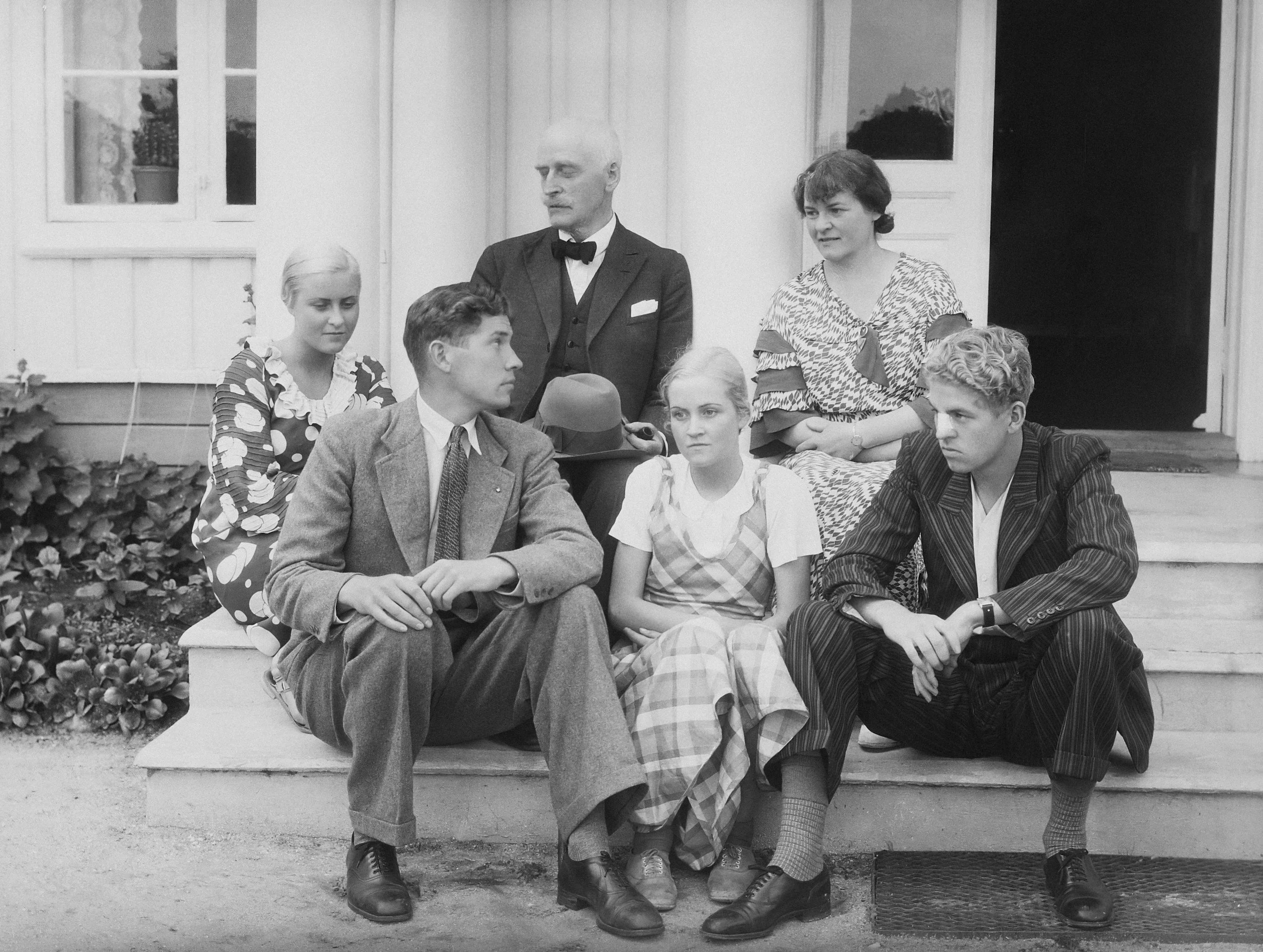
You may be struggling with ongoing conflict with a parent, feeling increasingly distant from a family member, considering whether to limit contact, or trying to make sense of a relationship that no longer feels sustainable. Family estrangement can take many forms and is often socially invisible. Yet it carries profound emotional consequences: grief, confusion, depression and anxiety, and increased vigilance and stress.
Understanding Estrangement
The word estrangement evokes the loss of a once intimate relationship. Family estrangement is defined as the emotional and/or physical cutoff between relatives and is often marked by ambiguity and lack of closure.
Estranged families are strikingly common, yet are often socially invisible and under-supported. Estrangement is linked to depression and anxiety, grief and confusion, and increased vigilance and stress associated with perceived social stigma. For some, the experience can feel similar to the death of a loved one.
Even for those who initiated an estrangement and view it as a positive or necessary arrangement, departing from socially-embedded family norms represents a significant emotional challenge. Estranged relatives, when lacking closure or resolution, are left to manage severed foundational attachment bonds alone, often within a social context that stigmatizes their experiences.
The tension between the absence of the family member(s) and the presence of emotional pain underscores the attachment-based nature of estrangement. Human beings are biologically driven to seek proximity and closeness to attachment figures as a means of survival. When attachment bonds are severed, particularly between caregivers and children, the consequences can be seen in an individual’s internal working model of self.
Even in adulthood, attachment disruptions caused by familial estrangement have the potential to undermine the development and maintenance of secure relational models, impairing both emotional security and healthy identity formation. Estrangement creates a paradox - attachment persists internally even as the family member is absent.
Family and Estrangement Therapy with Araxi
My approach to family and estrangement therapy is informed by attachment theory, family systems, and trauma-informed care. I understand that each family has its own distinct culture, informed by socio-ethnic background, familial experiences, including intergenerational trauma, and the sociopolitical and temporal circumstances within which it exists. So too are their ruptures and the meaning made of these losses. Culture is not peripheral to our work in family therapy.
I adjust the structure and focus of family therapy based on the family and their goals. Some families may be working toward reconciliation or improved communication. Others may be trying to establish healthier boundaries or understand longstanding patterns of conflict. Some may be seeking closure or trying to navigate a relationship that has become distant or estranged.
I work collaboratively with families to understand the relationships and patterns underneath what is bringing them to therapy. Depending on the family, this may include individual therapy, family therapy, or a combination of the two. I support family members who want to reconnect as well as individuals who desire limited or non-contact with a family member or multiple family members.
Above all, I am not interested in imposing a single definition of a healthy family relationship. There is no single outcome that family therapy needs to produce. My task is to help family members encounter one another truthfully in order to support mutual emotional clarity, recognize the pain within the family system, and decide what comes next.

Estrangement Prevention
I also work with families and adolescents to prevent family estrangement.
When attachment bonds are threatened, individuals respond with cyclical emotional responses that can lead to estranged or distanced relationships. For young people, symptoms may be expressions of attachment pain.
Family therapy is an effective treatment to interrupt intergenerational patterns and to prevent estrangement from becoming more entrenched in adulthood.
In family therapy, I look at the relationships surrounding a young person's symptoms rather than treating the symptoms in isolation. This can mean addressing triangulation between parents, helping a young person express their needs, reducing conflict, supporting differentiation within the family, and creating opportunities for family members to hear one another differently.
My goal is not to create a “perfect family.” It is to help family members understand the pain within their family system and develop different ways of relating to one another.
Sometimes family members want to reconnect. Sometimes contact is limited or absent, making traditional family therapy difficult. And sometimes separation from a family member is desired.
Therapy can provide space to explore these questions and the meaning and psychological impact of estrangement.
Family Therapy in San Francisco
Interested in working together?
I work with adults, adolescents, and families experiencing family conflict, relational ruptures, and family estrangement. My practice is based in SF, in Pacific Heights, and I offer both individual and family therapy, including trauma-informed support and EMDR.
My task as a therapist is to help family members encounter one another truthfully in order to support mutual emotional clarity, whether this ends in disengagement or reconciliation.
If you are experiencing family estrangement, worried about a relationship becoming increasingly distant, or hoping to address longstanding family patterns before they lead to a rupture, I welcome you to reach out.